





The below article was written by Biological Preparations and published in C&M Online. See here
The Evolution of Cleaning
Cleaning has been part of human life since ancient civilisations. Just as society has evolved, so too has what we use to clean. Our earliest ancestors turned to what nature provided: clay, ashes, and vinegar. Simple, effective materials that were readily available and suited the times.
But as societies advanced, so did our expectations. The rise of urban living, industry, and mass production meant cleaning needed to be quicker, stronger, and more efficient. That shift accelerated during the 20th century, especially around wartime, when the demand for synthetic alternatives exploded. This led to the petrochemical boom, bringing with it a wave of synthetic cleaners that were cheap to make, fast to produce, and highly effective.
But less than a century later, problems in using these synthetic ingredients arose health issues from chemical exposure, environmental pollution, and damage to ecosystems. So, the industry pivoted to plant-based alternatives. But many of these still left businesses in a familiar position, having to choose between performance, price, and sustainability.
Today, that trade-off isn’t viable for modern businesses. Faced with a long list of competing priorities: rising costs, more strategic operations, tightening health and safety rules, and major environmental goals like Net Zero, sacrificing one for another will put businesses at a market disadvantage.
That’s why biotechnology—cleaning solutions made using naturally derived ingredients like enzymes, microbes, plant extracts, fermentation products and other bio-based materials—is quickly becoming the next step in the cleaning evolution. These biological solutions are designed to support both business performance and environmental responsibility. But just like the beneficial bacteria in these, not all microbial cleaning products are created equal. Getting it right is a literal science.
Behind the Biology: How Does Biology Work in Cleaning?
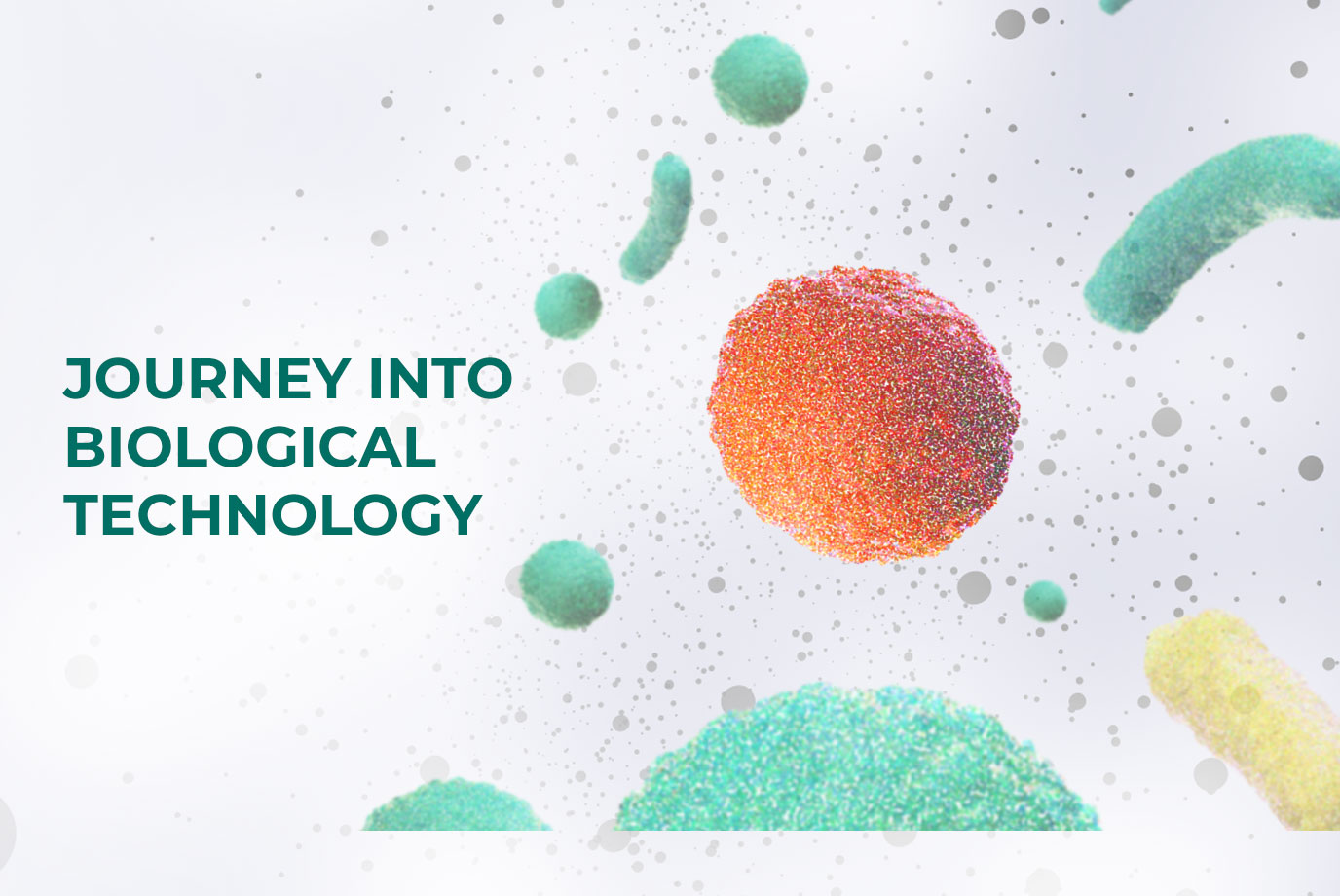
Unlike humans, plants, and animals, which are made up of many cells working together, bacteria are single-celled organisms. Each one carries out all the essential life processes on its own: reproduction, feeding, digestion, and excretion. That independence makes bacteria incredibly resilient. They were the first life forms to appear on Earth, and they’re found everywhere, in the air we breathe, the food we eat, and even inside our bodies.
Bacteria have always been nature’s way of cleaning and breaking things down. Without them, waste wouldn’t decay, organic matter would build up and more. They do this through the production and secretion of enzymes.
Enzymes themselves aren’t alive; they’re proteins that act as biological catalysts. They speed up chemical reactions and help break down large, complex organic molecules (like fats, oils, starches, and proteins) into smaller, simpler ones that bacteria can then absorb and digest.
But enzymes are highly specific. Each one only works on a particular type of molecule, like a lock and key. For example:
- Amylase breaks down starch
- Lipase breaks down fats, oils and greases
- Protease breaks down proteins
This is exactly what biotech cleaning taps into, using nature’s biological system to break down dirt, grime, and waste at a molecular level.
But to bring this to commercial cleaning? That takes meticulous research and development. Because not all bacteria are the same. Each species and even different strains within a species can behave very differently. A strain is like a genetic variant, with its own capabilities, growth conditions, and enzyme production. Think of it like a family: everyone might share the same last name, but each person has different traits, strengths and skills.
Take E. coli, for example:
- E. coli O157:H7 is harmful: it causes foodborne illness and can lead to severe health issues.
- E. coli K12 is completely safe: it’s used in laboratories, teaching, and even in human trials.
- Other strains of E. coli are naturally present in the human gut.
Each strain behaves differently, produces different enzymes, and thrives in different environments. That’s why formulating an effective biological cleaner means knowing exactly which bacteria you’re working with — what they do, what they need, and how they’ll perform in real-world settings. Without that depth of understanding, the product simply wouldn’t be effective, safe or stable.
What are the Benefits of Biotech Cleaning?
Biotechnology isn’t just a trend in cleaning. It’s a science that’s evolved since the 19th century, with applications ranging from food production to medicine. Here are just a few of the benefits biotech cleaning brings:
- Residual Cleaning Action
Once introduced, microbes grow and form beneficial populations. Many develop biofilms that break down organic matter over time. Reducing the need for labour-intensive cleaning and frequent reapplication. - Deep Cleaning Power
Bacteria colonise and penetrate areas that traditional cleaners can't reach. Degrading residues at the source, removing stains, odours and buildup, without damaging surfaces. - Effective Odour Removal
Biotech delivers multi-level odour control:
• Trapping: Absorbing and containing odour molecules
• Neutralising: Binding odours to make them undetectable
• Degrading: Removing odour-causing matter at the source - Environmental Benefits
True biotech uses natural, renewable ingredients with a lower carbon footprint across the product lifecycle. It helps businesses:
- Reduce Scope 3 emissions
- Cut waste and water use
- Support biodiversity and sustainability goals
- Health and Safety
Biotech improves performance while reducing chemical exposure. Formulated with naturally derived ingredients, these products are often VOC-free, pH-neutral, and allergen-safe, supporting healthier environments.
As these benefits become clearer, the biological cleaning market is accelerating. Valued at £3.59 billion in 2023, it's projected to nearly double to £6.64 billion by 2030. But as demand rises, so does the number of “biotech” claims, without legislation to verify them. While the EU is making updates through the Detergents Regulation, the UK still lacks defined standards or certifications for biological cleaning.
In the absence of clear regulation, businesses must look to the science, understanding the technology and choose partners who offer transparency, credibility, and proven results.
How to Identify and Use Better Biotech?
Now that we’ve explored the science behind biological cleaning, its natural benefits, and the regulatory gaps that make decision-making difficult, it’s important to understand what goes into creating a commercially viable biotech cleaning solution.
To perform effectively in real-world settings, true biotech must be safe, stable, and efficient. This means moving beyond buzzwords and green claims and evaluating the biological integrity and scientific formulation behind each product. Taking bacteria as an example:
- Safe
Biological cleaning products should only contain non-pathogenic, hazard group 1 bacteria; organisms that are not associated with disease and pose no risk to human health or the environment. It’s also critical to ensure the fermentation process used to produce these bacteria is tightly controlled and sterilised to eliminate the risk of contamination with harmful strains. A genuine biotech solution will be supported by robust quality assurance, microbial testing, and traceability throughout production.
- Stable
Selecting the right bacterial strains is key, but stability is essential too. For bacteria to survive in a range of conditions (e.g., during storage, shipping, or application), they often need to be able to form spores. Spore-forming bacteria, like Bacillus, can remain dormant yet viable under extreme temperatures, pH levels, oxygen variations, and more, then become active again when the right conditions return. This ensures not only product shelf life but also residual performance after application.
- Efficient
Biotech bacteria need to produce the right enzymes to break down a wide range of organic materials. From food residues and bodily fluids to grease, starches, and fats. But enzyme production alone isn’t enough.
The formulation must deliver
- Sufficient bacterial counts in both concentrated and diluted form (typically more than 100,000 CFU/ml in ready to use product) to establish a dominant microbial population.
- Compatible species and strains that don’t inhibit each other.
- Relevant enzyme profiles matched to the cleaning task, e.g. protease for proteins, lipase for fats/oils, amylase for starch.
- Performance across real-world conditions, including fluctuations in temperature, pH, salinity, nutrient levels, and the presence of surfactants.
Conclusion: Why Understanding the Biology Matters
The rise of biological cleaning represents more than a shift in formulation, it reflects a broader transformation in how we approach hygiene, sustainability, and operational efficiency. And for businesses to gain the full benefits of biotech cleaning, the biology of that product must be right.
Unlike traditional chemical products, biological solutions are living technologies. Their performance depends on carefully selected strains, stable formulations, and enzyme activity that aligns with real-world cleaning needs. Without scientific integrity and r&d formulation, products may underperform or contribute to the very trade-offs they were designed to eliminate.
In a rapidly expanding market, where regulatory frameworks have yet to catch up with innovation, businesses must take a more informed, evidence-led approach. Choosing a true biotech solution means looking beyond the label and asking the right technical questions.
Key considerations include:
- What is the bacterial concentration in both concentrate and diluted form?
- How many species or strains are included, and are they microbiologically compatible?
- What enzymes are produced, and are they capable of degrading the specific organic matter encountered?
- Are those degradation pathways relevant to the product’s intended use?
- Can the bacteria perform effectively under the environmental conditions expected, such as variable temperatures, pH levels, surfactants, or oxygen availability?
Only by addressing these questions can businesses invest in credible, high-performing, and future-ready biotechnology. When underpinned by sound science and formulation, biological cleaning delivers not only immediate operational benefits but long-term value across sustainability, compliance, and performance.