











Yeast-based, direct-fed prebiotics and probiotics


Grass
A proven range of tailored inoculants to accommodate the full spectrum of dry matter situations. Using carefully selected homofermenters and heterofermenters, the objective is to reduce waste, achieve a complete and even fermentation, keep the forage cool and stable, and improve feed value at feeding out.

Wholecrop
For cereals such as wheat, barley, oats and triticale, as well as legumes, the objective is to create stability in the clamp, improve digestibility in the rumen and prevent heating and moulding during the fermentation period.
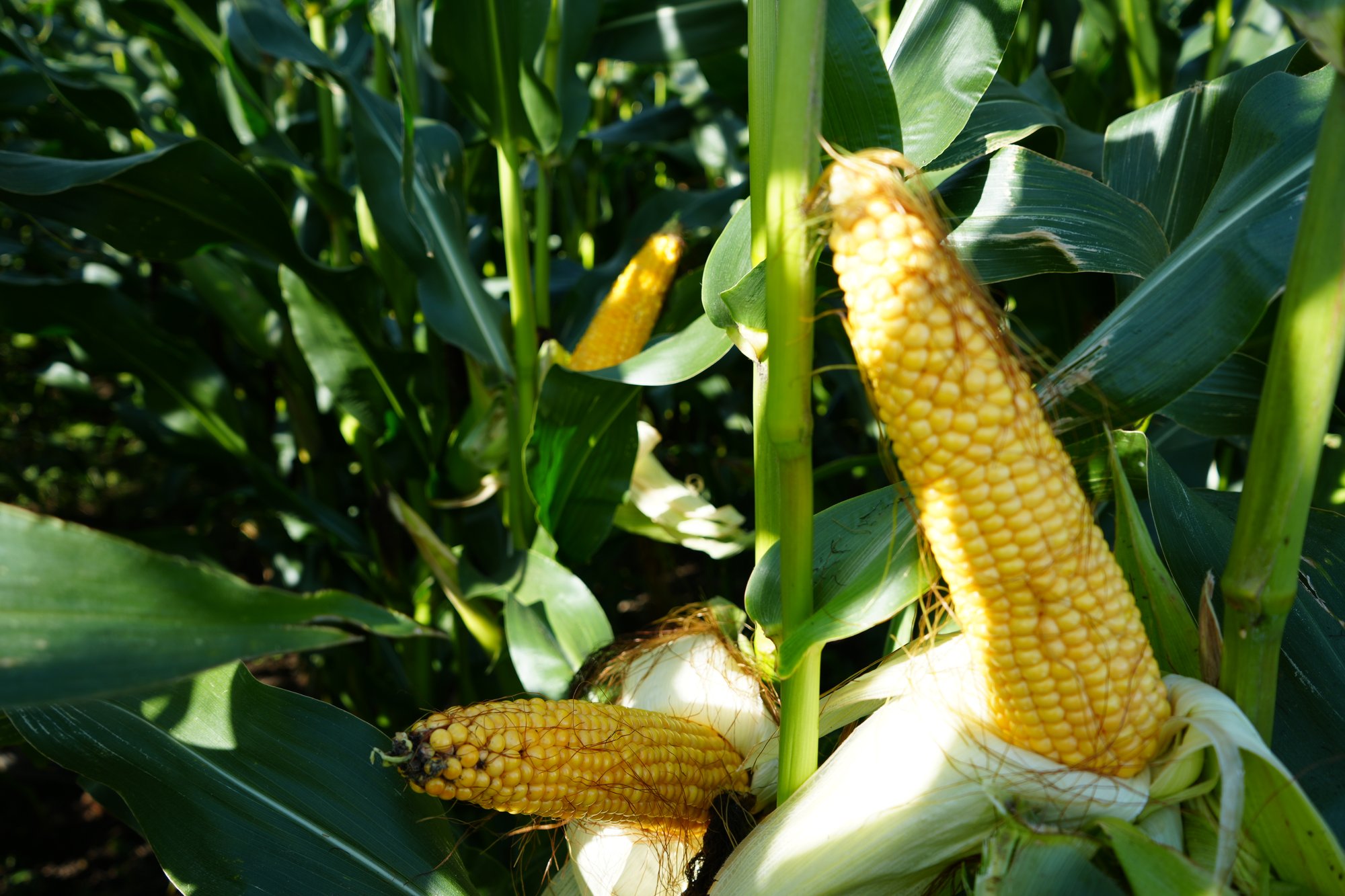
Maize
Although relatively easy to ensile, the aim is to prevent aerobic spoilage without increasing dry matter losses.
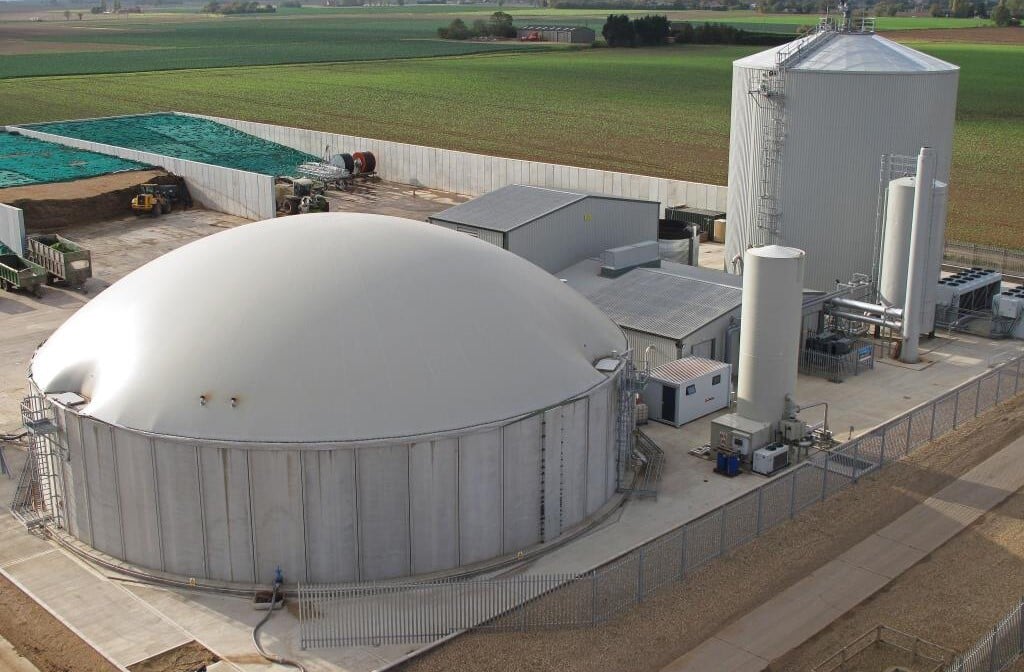
Biogas
Inoculant for silages destined for anaerobic digestion (AD). Using forage which has been treated to maximise levels of acetic acid (the precursor for methane production) during the fermentation process increases the effectiveness and profitability of the enterprise.
-800.jpg?width=1425&height=951&name=8427124-Stills-Big_Barn1(1)-800.jpg)
Yeast
For high protein crops tailored by our expert team of microbiologists to tackle challenges associated with these crops.
Homofermenters
For a desirable fermentation
Using a balance of carefully selected UK- and EU-approved bacterial strains, homofermentative bacteria (Lactobacillus plantarum and Pediococcus pentosaceus) produce a favourable fermentation profile, rapidly creating anaerobic conditions and lowering pH as they ferment sugars to lactic acid. Efficient fermentation results in the inhibition of spoilage organisms, increased preservation of dry matter and reduced protein breakdown.
Heterofermenters
For stability in the clamp and at feeding out
In higher dry matter silages, prone to the growth of yeasts, moulds and other fungi, UK- and EU-approved heterofermentative bacteria (L. buchneri, L. brevis and L. keferi) complete the reaction. These species ferment sugars to lactic and acetic acids, L. buchneri being particularly important as the acetic acid it produces provides outstanding aerobic stability in the clamp and upon opening and feed out.
Reducing dry matter losses
Some strains of L. buchneri have been reported to increase dry matter losses but this is not the case for DSM 22501 which actually reduces such losses – a special ability that was highlighted in EFSA Scientific Opinion prior to EU authorisation of the strain.
We attach the highest importance to efficacy. As such, our inoculants are subject to rigorous scrutiny and quality control.
Compliant
EU-authorised bacterial strains used in our products are:
- 1k20736 Lactobacillus plantarum NCIMB 30083
- 1k1010 Pediococcus pentosaceus DSM 23688
- 1k20744 Lactobacillus brevis DSM 23231
- 1k20738 Lactobacillus buchneri DSM 22501
- 1k20742 Lactobacillus kefiri DSM 19455